





Keypoints:
- Over 4,000 Dubai-bound luxury cars diverted
- Gulf war disrupts Strait of Hormuz shipping
- Lamu port emerges as alternative hub
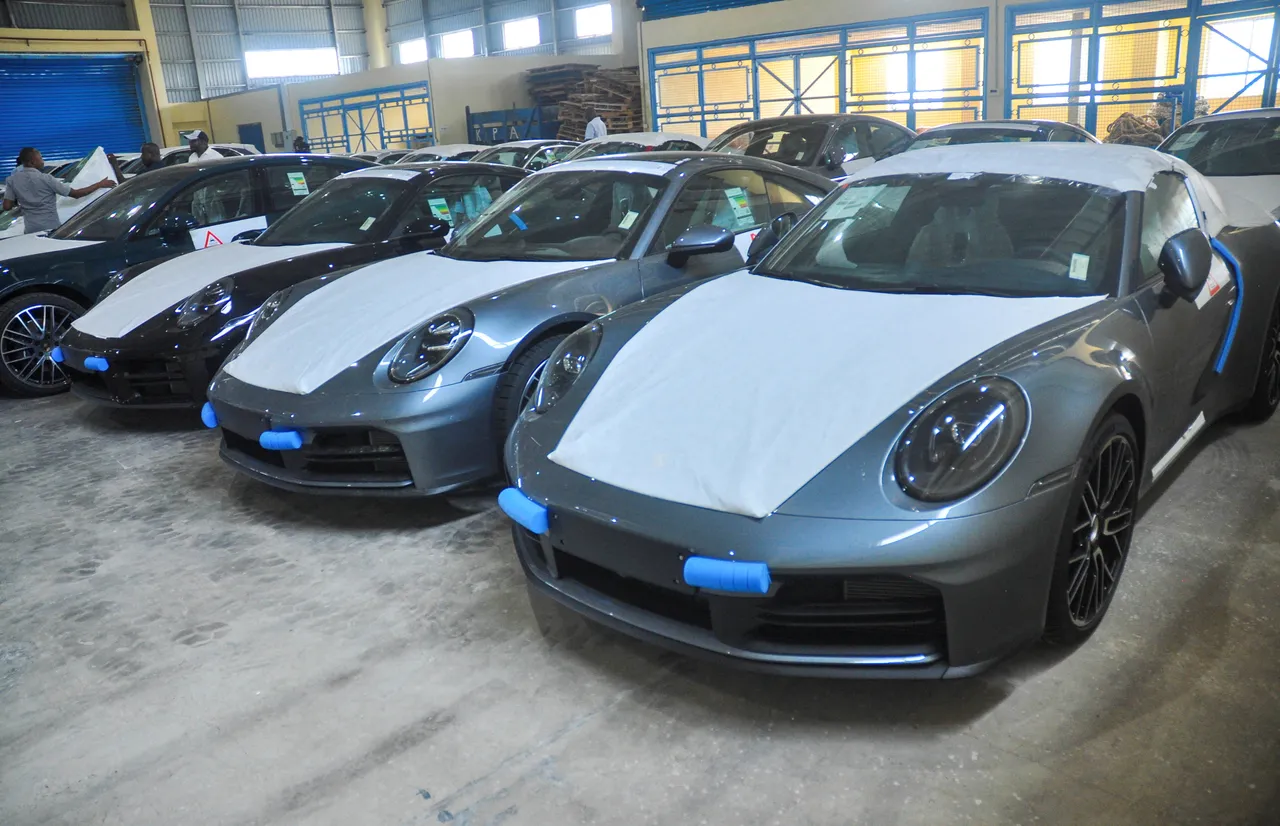
MORE than 4,000 luxury vehicles originally destined for Dubai have been diverted to Kenya’s Lamu port, as escalating conflict in the Gulf disrupts one of the world’s most critical maritime trade routes.
The vehicles, including high-end brands such as Porsche, were offloaded after ships rerouted away from the Middle East due to security risks linked to the ongoing war involving the United States, Israel and Iran.
Crisis reshapes global logistics
The diversion highlights how geopolitical tensions are rapidly altering global shipping flows, with African ports increasingly serving as contingency hubs. While Kenya benefits from unexpected cargo inflows, the disruption underscores growing volatility in international trade networks.
Strait of Hormuz disruption triggers diversions
The shipments originated from Japan, with at least one vessel departing Yokohama on February 24, just days before military operations escalated in the Gulf region.
Shipping through the Strait of Hormuz—one of the world’s most strategic chokepoints—was significantly affected, forcing vessels to reconsider routes. The situation worsened after Iran launched air strikes on Dubai’s Jebel Ali port on March 1, rendering it temporarily inaccessible.
Two vessels operated by Italy’s Grimaldi Group were among those impacted, leading to the offloading of vehicles in Kenya instead of the UAE.
Lamu port handles unexpected surge
Images from Kenyan media showed rows of luxury vehicles stored in warehouses at Lamu, an island better known as a UNESCO World Heritage Site but now gaining attention as a logistics hub.
According to the Kenya Ports Authority (KPA), the port is preparing for additional arrivals, with another ship carrying approximately 5,000 vehicles expected within days.
‘There are still ships with cargo destined for the Gulf, but since the situation there has deteriorated, those ships are more or less drifting at sea,’ said Abdulaziz Mzee, manager of the Port of Lamu, speaking to local media.
Economic gains amid regional crisis
Mzee acknowledged the dual nature of the development, describing it as both a humanitarian concern and a commercial opportunity.
‘It is not something to celebrate, because people there are suffering and facing difficulties, but at the same time it is a commercial blessing,’ he said.
Port officials confirmed that the vehicles will remain in Lamu until conditions in the Gulf stabilise and normal shipping routes resume.
Strategic boost for Kenya’s Lamu project
The situation comes as Kenya continues to develop the Lamu Port-South Sudan-Ethiopia Transport (LAPSSET) corridor, a $23bn infrastructure initiative launched in 2012 to transform regional trade connectivity.
Operational since around 2021, Lamu port has been positioned as a future deep-water transshipment hub, offering an alternative to more congested East African ports.
The Kenya Ports Authority said the facility is ‘geared up for a spike’ in traffic as global shipping patterns adjust to ongoing disruptions.
Africa’s growing role in global trade
The rerouting of Dubai-bound cargo to Kenya reflects a broader shift in global logistics, where African ports are increasingly integrated into international supply chains, particularly during crises.
While the current surge may be temporary, analysts suggest it could accelerate long-term investment in infrastructure and logistics capacity across the continent.
For now, the sight of thousands of luxury cars parked on Lamu Island stands as a striking symbol of how distant conflicts can quickly reshape global commerce—and create unexpected openings for emerging trade hubs.










