





Keypoints:
- Over 100 killed in wave of nationwide protests
- Unrest transcends ethnic, class and social lines
- Broken promises, rising taxes fuel discontent
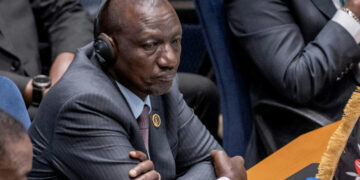
KENYA’S President William Ruto is facing what analysts call an ‘unprecedented’ wave of public outrage, engulfing the country just three years into his presidency. What began as hope for a humble ‘hustler’ leader has transformed into deep-seated anger, as protest chants of ‘Ruto must go’ echo across urban streets and rural counties alike.
Furious Ruto fights back
Frustrated by the backlash, Ruto recently challenged why such intense criticism was never directed at his predecessors—including the authoritarian Daniel arap Moi or former presidents Uhuru Kenyatta and Mwai Kibaki. ‘All this chaos… why the contempt and arrogance?’ he asked, questioning why Iraq-era strongmen had escaped such scrutiny.
Nonetheless, analysts say the ferocity of this revolt is unlike anything Kenya has seen—cutting through ethnic, religious and social boundaries to create a rare unified front.
Rise and fall of the ‘hustler’ hero
In 2022, Ruto’s campaign painted him as the embodiment of resilience—a chicken seller turned president, speaking directly to everyday Kenyans. Today, however, his image has soured. Kenyan media and social platforms have asked if he’s ‘Kenya’s most hated president’, with digital dissent carrying as much weight as street protests.
Unusually, a recent hashtag, #WeAreAllKikuyus, trended among disillusioned youth rejecting ethnic division rhetoric. Ironically, Ruto initially drew strong support from Kenya’s Kikuyu community and Deputy President Rigathi Gachagua of the same background — who himself faced dramatic impeachment, sparking regional backlash.
Broken promises spark rage
Public unrest, ignited a year into Ruto’s term, shows no sign of abating. More than 100 people have died in successive waves of demonstrations, with a single day earlier this week seeing 38 fatalities in the bloodiest clash yet.
The protests are decentralised and youth-led, targeting soaring living costs, taxation, corruption, and police brutality. Ruto’s directive to ‘shoot in the leg’ of rioters drew widespread condemnation, intensifying the standoff between state and civil society.
Political analyst Mark Bichachi told the BBC the scale of rage surpassed that of the 1980s multi-party era under Moi, underscoring a historic rupture in public sentiment.
Youth power and digital dissent
Academics say Kenya’s digitally savvy young population has amplified dissent. With social media firmly entrenched, waves of outrage spread faster than ever. Conservative rhetoric by Ruto clashes with the more liberal values of his opponents, particularly the youth, creating deeper ideological friction.
Communication flaws magnify crisis
Experts argue Ruto’s downfall stems in part from communication failures. Political scientist Dr Hesbon Owilla noted that Ruto’s campaign gained momentum by promising real change—but once in office, unfulfilled expectations and increasing hardship left citizens feeling deceived.
Speaking much and often, Ruto has become the public face of the unrest, drawing personal blame rather than distributing accountability across institutions.
Reforms overshadowed by inequality
Ruto points to positive initiatives—affordable housing, universal healthcare, digital job platforms, overseas employment programmes—as evidence of progress. Yet a 1.5 percent housing levy and a 2.75 percent health insurance tax deducted from paychecks have intensified resentment, especially amid sluggish improvement in services.
While some reforms show promise, public trust has frayed. Each protest-related death seems only to inflame further demonstrations, rather than spark constructive dialogue or reform.
A presidency at crossroads
Ruto maintains his government is the first to tackle systemic economic issues head-on, appealing for unity: ‘We are all Kenyans’. But for many citizens under pressure from high taxes, low wages and rising prices, patience is fast evaporating.
Rising death tolls, lethal state responses and widespread protest amplify the sense that the presidency itself is at a breaking point. Political analysts warn restoring trust will require more than policy fixes—it will demand sincere, empathetic engagement.
If that doesn’t come soon, the man once celebrated as an agent of hope risks ending his term as Kenya’s most contested president yet.









