





Keypoints:
- Exiled opposition figure provisionally loses nationality
- Human Rights Watch raises due process concerns
- Decision deepens post-coup political tensions
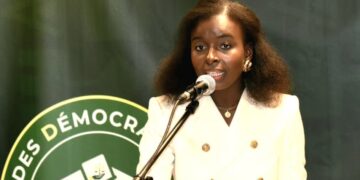
NIGER’S military authorities have provisionally stripped exiled opposition figure Mariama Djibrine of her nationality, prompting renewed criticism from Human Rights Watch (HRW) and raising concerns about the use of state powers against political opponents.
The case has renewed debate over whether counterterrorism powers are being used to curb political opposition and restrict civil liberties in post-coup Niger, with rights groups warning that security measures should not undermine due process or democratic participation.
HRW raises alarm over June 11 decree
According to Human Rights Watch, a June 11 decree signed by General Abdourahamane Tiani provisionally removed Djibrine’s Nigerien nationality. The organisation said the action was linked to a 2024 order establishing a national database of individuals suspected of terrorism.
Djibrine, who lives in exile, leads the Alliance des Démocrates du Sahel, a coalition of opposition figures from Niger, Mali and Burkina Faso advocating a return to constitutional governance across the region.
The authorities have accused her of spreading information likely to disturb public order, inciting revolt and collaborating with a foreign power. HRW contends that the case reflects a broader pattern of restrictions on dissent following the military takeover.
Citizenship is widely recognised as a fundamental legal status, and rights advocates argue that provisionally withdrawing it from political opponents risks turning it into a tool of political pressure, particularly where due process protections are questioned.
Political tensions remain high
Djibrine has publicly called for the release of former President Mohamed Bazoum, who has remained in detention since being removed from office during the July 2023 coup.
His continued detention has drawn international attention and remains one of the most contentious issues surrounding Niger’s transition under military rule.
Human Rights Watch noted that Niger’s authorities previously used the same terrorism-related framework to provisionally remove the nationality of nine people associated with former President Bazoum, suggesting an expansion of the policy beyond former government officials.
For opposition groups, the latest measure reinforces concerns that political activity conducted from abroad could still expose individuals to punitive action at home.
Wider concerns over civic space
The nationality decision comes amid broader restrictions on media, political activity and civil society in Niger.
Since taking power, the junta has defended many of its actions as necessary to preserve national security while confronting persistent threats from armed extremist groups operating across the Sahel.
Human rights organisations, however, have repeatedly warned that broad security powers should not come at the expense of freedom of expression, political participation and fair legal process.
The debate reflects a wider challenge facing several countries in the region as governments seek to balance counterterrorism operations with respect for democratic norms and the rule of law.
Security crisis complicates governance
Niger continues to face attacks from armed groups linked to extremist organisations operating near its borders with Mali, Burkina Faso and Nigeria.
The deteriorating security environment has strengthened the junta’s argument that extraordinary measures are needed to combat terrorism. At the same time, rights organisations have documented allegations of abuses committed by both armed groups and state security forces, highlighting the complex humanitarian and security challenges confronting the country.
Against this backdrop, decisions affecting citizenship and political participation are likely to attract continued international scrutiny.
Regional implications
The case also reflects broader political trends across the Sahel, where military-led governments have increasingly emphasised sovereignty and security while facing criticism over restrictions on opposition movements and independent institutions.
As regional alliances evolve and transitions to civilian rule remain uncertain, developments in Niger are likely to shape wider debates over governance, accountability and civil liberties across West Africa.
For now, the provisional removal of Mariama Djibrine’s nationality has become another flashpoint in Niger’s contested political landscape, adding to concerns about the future of democratic participation under military rule.









