ONCE reserved for royalty, Ghana’s Kente cloth has grown into a powerful emblem of cultural identity, pride, and craftsmanship. Its vibrant colours and intricate patterns make it one of the most admired fabrics globally, steeped in centuries of tradition and artistry.
Last month, UNESCO recognised Kente as an Intangible Cultural Heritage, cementing its place in the global cultural hall of fame. The announcement highlights Kente’s dual role as both a fashion statement and a profound cultural artefact. ‘It’s one of the best feelings when I put on Kente cloth,’ shares Bright Yeboah, an Accra resident. ‘My style of walking changes; the way I talk changes. It is classy.’
What makes Kente special?
Kente weaving traces back to the 17th century among the Asante and Ewe communities of Ghana. Using wooden looms, artisans weave silk, cotton, or rayon threads into striking geometric patterns. Each colour and design carries symbolism: gold signifies status, red represents passion, and yellow conveys fertility.
‘The age, social status, and gender of users influence the choice of colours and designs,’ UNESCO explained in its statement. Traditionally, men drape Kente over their shoulders, while women wear it as an ankle-length dress paired with a shawl.
Master weaver Amos Homeda, who has been in the trade for over 25 years, emphasises, ‘Each piece of Kente tells a story. It’s a symbol of resilience, creativity, and endurance of Ghanaian culture.’
A labour of love
Crafting Kente is no small feat. The process involves intricate weaving techniques passed down through generations. Creating a single cloth can take weeks, depending on its size and complexity. Despite its labour-intensive nature, the craft’s rewards go beyond financial returns.
‘The pride in wearing Kente stems from its history and the skilled craftsmanship involved,’ Homeda says. But this artistry doesn’t come cheap. Prices range from $200 to $2,000 depending on the materials and patterns selected.
For many, the investment is worth it. Latifa Abdullahi, a bride from Accra, saved for months to afford her Kente wedding dress. ‘My first time wearing Kente was on my wedding day. I felt like royalty. It was worth every penny,’ she recalls.
A thriving industry
Beyond its cultural significance, Kente weaving is a booming business with both local and international demand. Homeda notes, ‘The market is dynamic. We’ve seen significant growth globally. There’s rising interest in Kente as both a traditional and modern fashion fabric.’
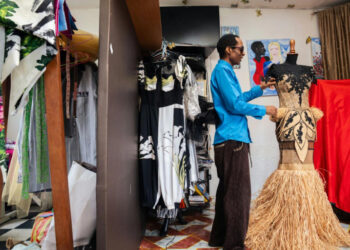
Young designers are reimagining Kente for everyday wear, blending it into casual and formal outfits. This versatility has widened its appeal, though competition from machine-made replicas poses challenges for traditional weavers.
Homeda’s workshop adapts by focusing on sustainable practices, fair wages, and maintaining the authenticity of the craft. ‘Approached strategically and ethically, the Kente business is both lucrative and rewarding,’ he says.
Cultural significance beyond fashion
Kente’s significance extends far beyond clothing. It is a symbol of Ghana’s history, heritage, and values. The fabric’s use in celebrations, rites of passage, and even funerals underscores its role in fostering community identity.
‘Wearing Kente shows respect for tradition and shares a piece of Ghanaian culture with the world,’ says Homeda. Even today, the Asantehene—the King of the Ashanti—adorns Kente during royal ceremonies, underscoring its regal roots.
Preserving the legacy
Kente’s UNESCO recognition shines a spotlight on the importance of preserving traditional crafts in a rapidly modernising world. This acknowledgement not only honours the artisans but also ensures that future generations can continue this rich heritage.
For Ghanaians and admirers worldwide, Kente is more than a fabric; it’s a legacy. A weave of stories, history, and pride, it exemplifies the enduring power of cultural identity in an ever-evolving world.