





Keypoints:
- Ghana is considering establishing a dedicated Auditors’ Court
- Reported financial irregularities rose to GH¢18.4bn (approximately $1.66bn) in 2024
- The proposal forms part of wider efforts to strengthen fiscal accountability
GHANA is considering creating a dedicated Auditors’ Court after reported financial irregularities across state institutions rose to GH¢18.4bn (approximately $1.66bn) in 2024, as the government seeks to strengthen public financial accountability.
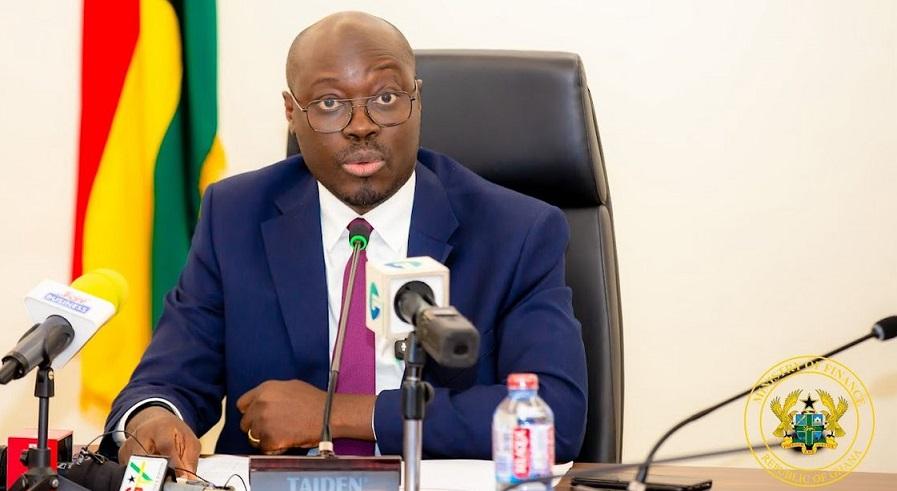
The proposal was announced by Finance Minister Dr Cassiel Ato Forson during the inauguration of a new governing board for the Internal Audit Agency (IAA), which has also been tasked with supporting institutional reforms and reviewing the country’s Internal Audit Agency Act of 2003.
The proposal forms part of broader efforts to strengthen public financial management and address weaknesses identified in recent audits while improving confidence in the stewardship of public resources, following IMF approval of Ghana’s latest reform review, which highlighted progress on fiscal and governance reforms.
Proposal aims to strengthen accountability
Forson said the government is considering a specialised Auditors’ Court to strengthen oversight and accountability within the auditing profession as part of wider governance reforms.
Established under the Internal Audit Agency Act of 2003, the IAA coordinates and supervises internal audit activities across government institutions, develops audit standards, monitors compliance and supports the detection of control weaknesses and potential fraud risks.
While the legislation outlines responsibilities for overseeing public-sector financial management, it does not create a dedicated judicial mechanism for adjudicating alleged misconduct involving internal auditors. The proposed court could create a specialised forum for addressing audit-related matters and complement existing oversight and disciplinary mechanisms by strengthening enforcement and professional accountability.
No legislation establishing such a court has yet been introduced.
Reported irregularities more than doubled
The proposal follows the Auditor-General’s latest report on public boards, corporations and statutory institutions, which found that reported financial irregularities increased to GH¢18.4bn (approximately $1.66bn) in 2024 from GH¢8.8bn (approximately $790m) the previous year.
The reported financial irregularities encompass a range of breaches of financial rules and procedures, meaning they do not necessarily indicate confirmed financial losses or misappropriation in every case.
According to the report, the irregularities arose from breaches of financial management procedures, procurement shortcomings, contract management weaknesses and failures to comply with public financial management regulations.
The Auditor-General also classified GH¢15.57bn (approximately $1.40bn) of the reported irregularities as recoverable, indicating that the office believes those amounts could potentially be reclaimed through corrective action or enforcement, subject to subsequent administrative or legal processes.
Internal auditors are expected to identify many such weaknesses before they are detected in external audits, making effective internal controls a critical component of sound public-sector financial management.
Wider governance reforms underway
Alongside the proposed Auditors’ Court, the newly inaugurated IAA board has been mandated to strengthen institutional capacity and review the agency’s legal framework to improve compliance, risk management and value-for-money auditing across government entities.
The initiative forms part of Ghana’s broader efforts to reinforce fiscal discipline and rebuild confidence in public financial administration. Those efforts have coincided with Ghana’s Fitch ratings upgrade amid fiscal reforms, which cited stronger public financial management and debt restructuring progress.
The reforms also align with measures pursued under Ghana’s economic recovery programme and broader efforts to restore credibility after the country’s debt crisis. The accountability agenda complements Ghana’s drive to rebuild economic credibility after debt distress, which government officials argue is essential to sustaining investor confidence and long-term growth.
During engagements with Ghanaian authorities in 2025, the IMF highlighted the importance of addressing structural weaknesses in public financial management as part of ongoing reform efforts.
The government has already introduced additional fiscal safeguards, including amendments to the Bank of Ghana Act that tighten restrictions on central bank financing of government expenditure and strengthen oversight provisions.
The reforms have unfolded alongside a wider debt restructuring programme. Africa Briefing previously reported on Ghana’s debt restructuring agreement with Belgium, one of several measures aimed at restoring fiscal sustainability and strengthening economic resilience.
Whether the proposal is ultimately enacted remains uncertain, but it underscores the government’s broader effort to strengthen public financial oversight as part of ongoing fiscal and governance reforms.










