




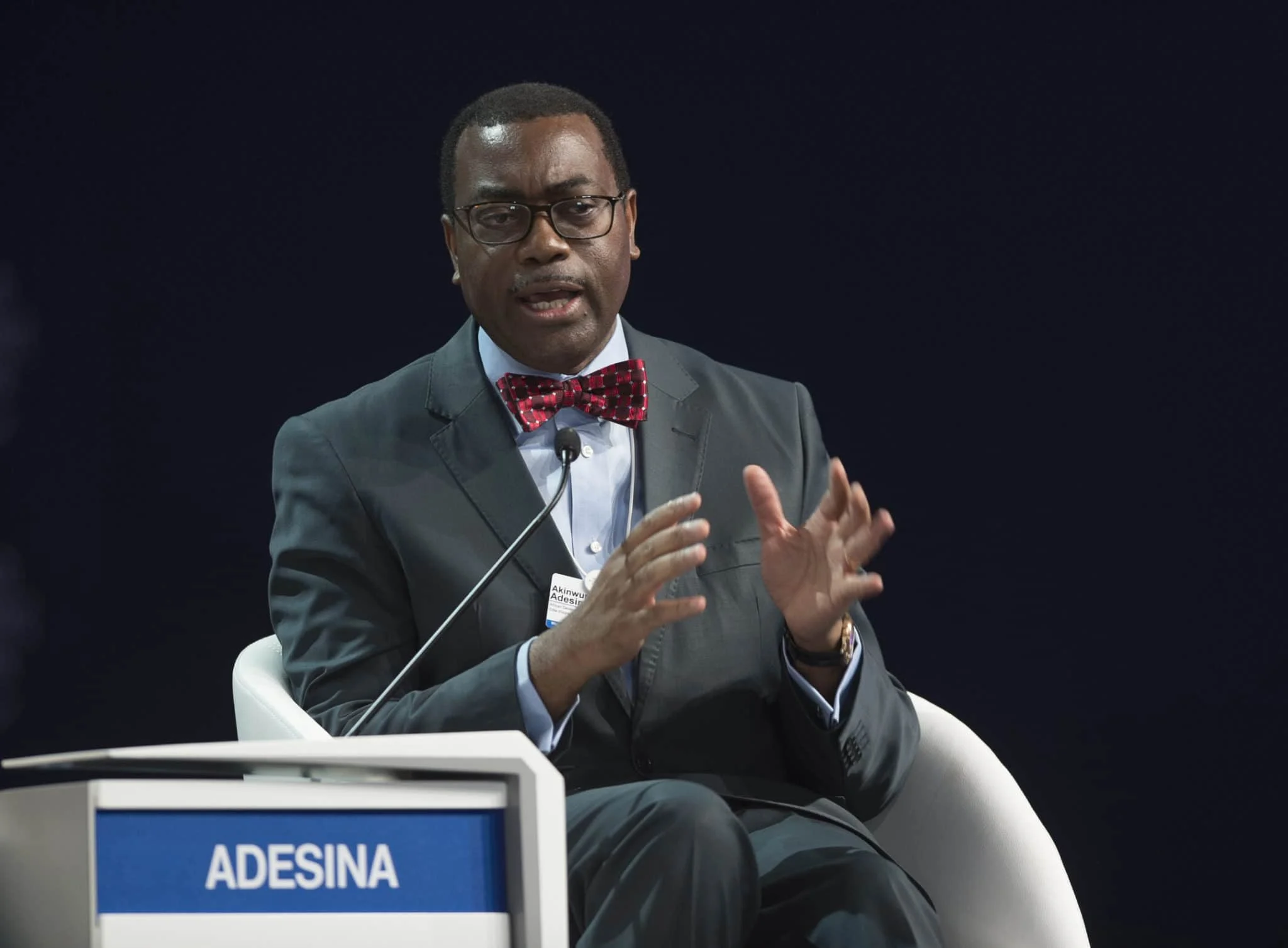
AFRICA’S economic growth is projected to accelerate to 3.7 percent this year and 4.3 percent next year, up from 3.1 percent in 2023, according to African Development Bank (AfDB) President Akinwumi Adesina. Speaking at the bank’s annual meeting on Wednesday, Adesina expressed optimism about boosting infrastructure investment with the help of the International Monetary Fund (IMF).
‘African economies are experiencing great resilience despite the challenges posed by climate change, geopolitical tensions, global inflation, rising debt, among others,’ Adesina stated.
In the past nine years, the AfDB has invested over $50bn in infrastructure projects across the continent. Adesina also noted that two weeks ago, the IMF approved multilateral banks, including the AfDB, to lend against the Fund’s Special Drawing Rights (SDRs) monetary reserves. SDRs are interest-bearing international reserve assets granted to IMF member countries in proportion to their shareholding.
‘If the approved limit of $20bn of the SDRs is channelled to multilater
al development banks like us, we [the AfDB] can leverage this to deliver at least $80 billion of new financial support,’ Adesina explained.
The bank is actively working on significant infrastructure projects, including raising $3.2bn for the East Africa standard gauge railway linking Tanzania, the Democratic Republic of Congo, and Burundi. Additionally, it is providing $500 million towards the development of the Lobito Corridor to connect Zambia, Angola, and the Democratic Republic of Cong
o.
As the AfDB continues to support these initiatives, Adesina emphasised the potential for robust econ
omic growth an
d development across Africa, driven by strategic investments and international cooperation.










