





Keypoints:
- AFC commits $600m towards Dangote’s broader $7bn fertiliser expansion
- Nigeria’s urea production capacity is set to rise from 3m to 9m metric tonnes annually
- A planned 3m metric tonne plant in Ethiopia is intended to bolster Africa’s fertiliser supply
AFRICA Finance Corporation (AFC) has committed $600m towards the Dangote Group’s wider $7bn fertiliser expansion programme, backing plans to significantly increase urea production in Nigeria and develop a new manufacturing facility in Ethiopia as Africa seeks to strengthen food security and reduce dependence on imported agricultural inputs.
The financing marks one of the continent’s most ambitious industrial agriculture investments in recent years. By supporting expanded fertiliser production across West and East Africa, the initiative aims to improve access to crop nutrients, reinforce regional supply chains and help countries meet rising food demand through greater domestic manufacturing.
AFC expands support for strategic industry
In an announcement issued on June 15, AFC said it would provide the financing facility to Greenview Fertilizer Corp., the entity identified by AFC in connection with the financing, as part of the group’s broader expansion strategy.
The overall programme is valued at approximately $7bn, with AFC’s $600m commitment representing one component of the financing package rather than the full cost of the expansion. The plans include increasing annual urea production capacity in Nigeria from 3m to 9m metric tonnes and constructing a new 3m metric tonne fertiliser plant in Ethiopia.
The announcement comes as major investment deals continue to reshape Africa’s industrial landscape, with strategic sectors such as manufacturing, infrastructure and energy attracting increasing flows of capital.
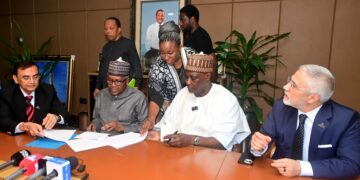
Dangote Industries President and Chief Executive Aliko Dangote described the investment as ‘another important milestone in our long-standing partnership with AFC’. He said the planned expansion in Nigeria and Ethiopia would strengthen food security, improve agricultural productivity and deepen Africa’s industrial base, adding that AFC’s continued backing reflected confidence in the group’s ambition to build globally competitive industrial platforms.
Expansion aims to strengthen food security
Africa imports substantial volumes of fertiliser despite possessing significant natural gas reserves and agricultural potential. Urea fertiliser is one of the world’s most widely used crop nutrients, helping replenish soil fertility and improve yields, making it a critical input for boosting agricultural productivity and food production.
Industry experts argue that increasing local production could improve supply reliability, reduce exposure to international price shocks and support higher crop yields across the continent. They also point to the need to unlock Africa’s own pools of domestic capital to finance transformative industrial projects.
The planned increase to 9m metric tonnes of annual production would make Dangote Fertilizer one of the world’s largest urea production complexes if completed as envisaged, significantly strengthening Nigeria’s role in regional and international fertiliser markets.
Meanwhile, the proposed Ethiopian facility, with an expected capacity of 3m metric tonnes annually, would reinforce the project’s ambition to create a pan-African fertiliser manufacturing network spanning West and East Africa, strengthening supply chains across multiple regions.
Expanded production could also increase fertiliser exports to other African markets under the African Continental Free Trade Area, potentially reducing the continent’s dependence on overseas suppliers while supporting regional economic integration. The initiative complements Dangote’s growing export-oriented operations, highlighting the group’s broader industrial ambitions.
AFC highlights long-term development goals
AFC President and Chief Executive Samaila Zubairu said Africa would need to narrow a significant gap in fertiliser use and agricultural productivity to feed a population projected to reach 2.5 billion by 2050. He said supporting the expansion of the fertiliser platform would help improve food security, generate productive employment and strengthen the continent’s long-term economic resilience.
The corporation also noted that the transaction follows the successful recycling of capital from earlier investments, including financing associated with the Dangote Refinery, allowing resources to be redeployed into new strategic infrastructure and industrial projects.
Wider implications for Africa
The expansion comes as governments across Africa seek to improve agricultural productivity while reducing vulnerability to disruptions in global supply chains. Greater regional fertiliser production could play an important role in lowering import dependence and supporting long-term food security objectives.
If delivered on schedule, the expansion could reshape Africa’s fertiliser supply chain, reduce reliance on imports and strengthen the continent’s long-term food security and industrial resilience while reinforcing regional value chains.









